
May 11, 2026 ● Careers in Defense
Why Defense Needs a New Generation of Talent And Where to Find Them
The European defense industry is scaling fast. The talent pipeline isn’t keeping up. Here’s what needs to change.
Europe is rearming. Defense budgets are climbing across the continent, new programs are being greenlit, and companies are scaling at a pace not seen in decades. There’s just one problem: there aren’t enough people to do the work.
The gap is real
The European defense sector faces a talent shortage that’s only getting worse. According to industry estimates, tens of thousands of roles across engineering, cyber, AI, and program management remain unfilled. And the traditional recruitment playbook, post on a government job board, wait for ex-military applicants, isn’t cutting it anymore.
The workforce the defense industry needs today looks different from the one it built over the last 30 years. It needs software engineers who can build secure systems at scale. Data scientists who understand operational environments. Product managers who can ship in regulated industries. People who grew up in tech, not just people who grew up in uniform.
Why traditional pipelines are broken
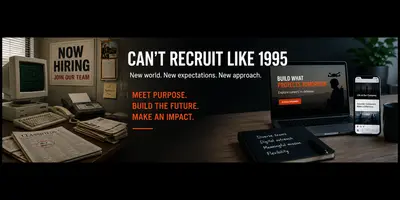
Defense has historically recruited from a narrow pool: military veterans, aerospace engineering graduates, and people with existing clearances. That worked when the industry was stable and slow-moving. It doesn’t work when you need to hire 500 AI engineers in 18 months.
The problems stack up:
- Perception gap. Top tech talent doesn’t think of defense as an option. The industry has a branding problem — and it’s losing candidates to big tech and startups before the conversation even starts.
Clearance bottleneck. Many roles require security clearance, and the process takes months. Companies lose candidates who can’t, or won’t, wait. - Geographic lock-in. Defense jobs have traditionally required on-site presence at specific facilities. In a post-remote world, that’s a hard sell for in-demand talent.
- Slow hiring processes. Government-adjacent procurement culture bleeds into HR. When your hiring cycle is 6 months and a startup’s is 2 weeks, you lose.
What needs to change
The industry needs to meet talent where it is, not where it was 20 years ago.
Open the aperture. Stop looking only for candidates with defense backgrounds. A senior backend engineer from a fintech has more transferable skills than most job descriptions acknowledge. Hire for capability, train for context.
Fix the employer brand. Defense work is meaningful, arguably more meaningful than optimising ad clicks. But the industry does a terrible job of telling that story. Companies that invest in showing what the work actually looks like will win the talent war.
Speed up. Streamline hiring processes. Offer conditional starts pending clearance. Reduce the friction between “interested” and “employed.”
Go where the talent is. That means tech conferences, not just defense expos. It means LinkedIn and specialised platforms, not just government portals. It means building a presence in the communities where engineers, designers, and product people actually spend their time.
A platform built for this moment
This is exactly why we built Careers in Defense. The sector needs a dedicated space where defense employers and the next generation of talent can find each other, without the friction, without the jargon, and without the outdated processes that have held the industry back.
Whether you’re a company looking to hire or a professional ready to make an impact where it matters most: the defense industry is waiting. The question is whether it’s ready for you, and whether you can find the door.
We’re building that door.
Careers in Defense is the job platform for the European defense and security sector. [Explore open roles →]